Ngorongoro Conservation Area
NGORONGORO CRATER
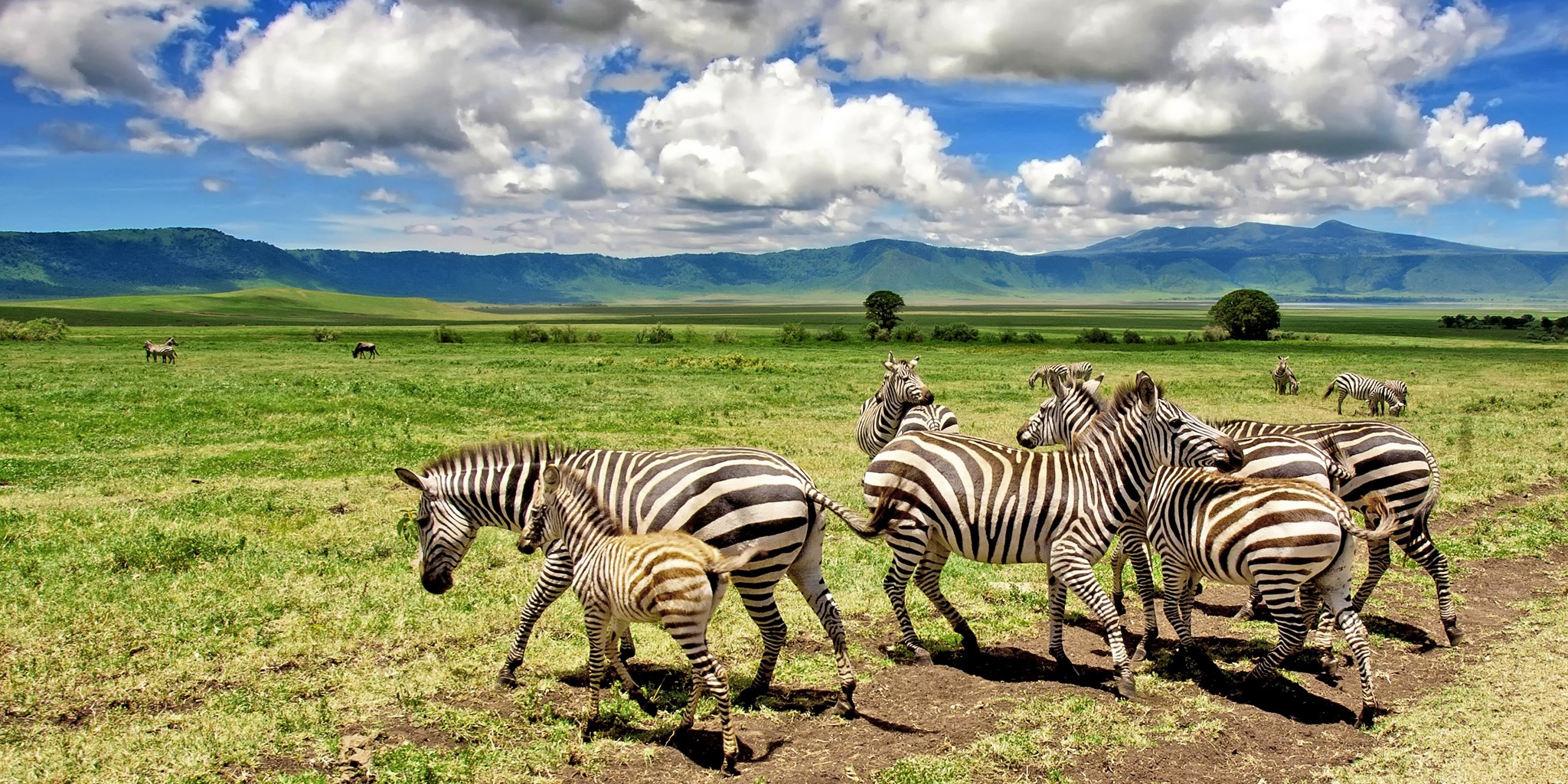
The Ngorongoro Crater stands as one of Africa’s most renowned sites, acclaimed for hosting the continent’s highest density of wildlife. Often hailed as an ‘eighth wonder of the world,’ the Crater has earned global recognition, drawing a growing number of visitors annually. While it’s rare to find solitude here due to the presence of other vehicles, you are assured exceptional wildlife encounters in an awe-inspiring setting. Ngorongoro offers a unique experience unmatched elsewhere in Africa!
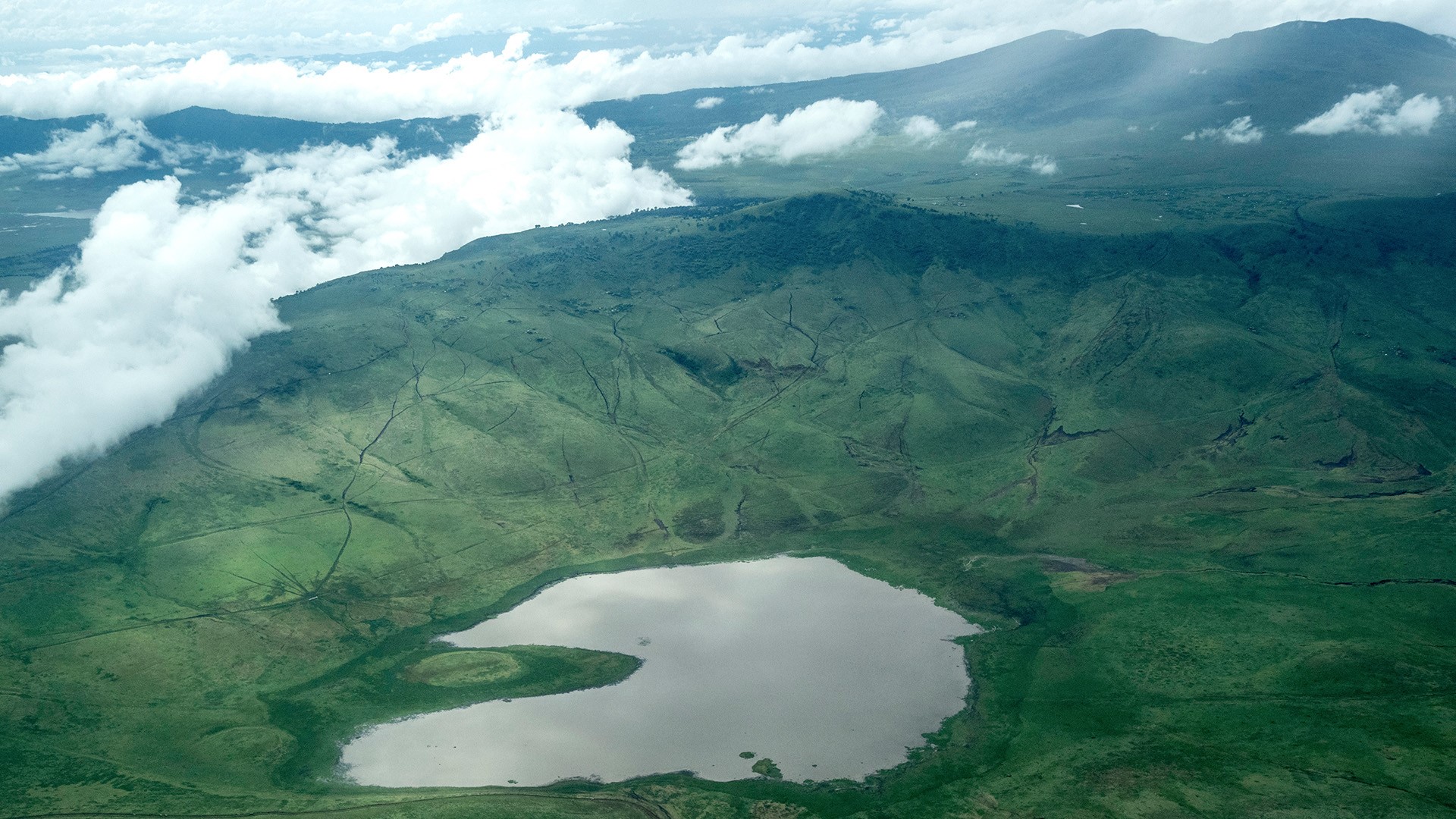
The Ngorongoro Crater stands as the world’s largest intact volcanic caldera, forming a breathtaking bowl spanning about 265 square kilometers, with depths plunging up to 600 meters. It shelters approximately 30,000 animals at any given time. Rising over 2,200 meters high, the Crater rim boasts its own microclimate. From this elevated perspective, one can spot the diminutive silhouettes of animals traversing the crater floor far below. Blankets of clouds often drape the rocky rim throughout much of the year, and it’s one of the rare spots in Tanzania where nights can turn chilly.
THE CRATER
The crater floor encompasses a diverse array of habitats, including grassland, swamps, forests, and Lake Makat (Maasai for ‘salt’)—a central soda lake fed by the Munge River. These varied environments draw wildlife to drink, wallow, graze, seek shelter, or climb. While animals have the freedom to move in and out of this enclosed environment, the fertile volcanic soil, verdant forests, and freshwater spring-fed lakes on the crater floor (coupled with the relatively steep crater walls) tend to encourage both grazers and predators to reside year-round.
NGORONGORO CRATER: WILDLIFE HIGHLIGHTS
The Ngorongoro Crater is among the prime locations in Tanzania to spot the endangered Black Rhino, as a small yet thriving population resides in this idyllic and protected setting. It remains one of the few regions where they persistently breed in the wild. Visitors also have favorable odds of encountering leopards and magnificent black-maned lions in this area. Additionally, numerous flamingos are drawn to the soda waters of Lake Magadi.
NGORONGORO CRATER: MAASAI VILLAGE TRIPS
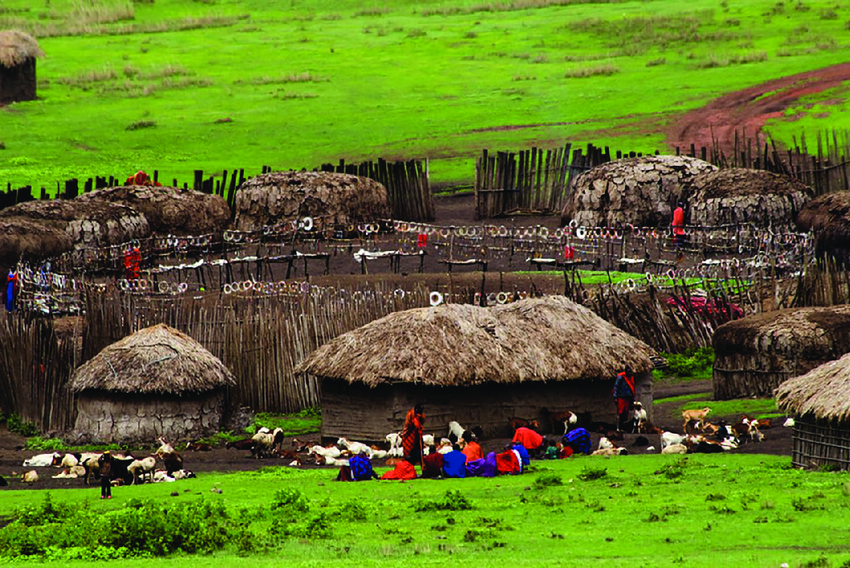
One of the objectives behind establishing the Ngorongoro Conservation Area was to preserve the environment for the Maasai people, who were relocated from the Serengeti Plains. Traditionally nomadic, the Maasai construct temporary villages in circular homesteads known as bomas. Today, some of these villages have been opened up for tourists to explore, offering insights into Maasai culture and lifestyle.
Visitors can observe the meticulous construction of huts in a precise order according to the chronological sequence of wives, and experience the reliance on warmth and energy from fires burning at the heart of cattle dung dwellings, without chimneys. These resilient cattle herders boast a rich history as warriors, and although they are no longer permitted to build villages within the conservation area, they continue to herd their cattle into the crater for grazing and watering, undeterred by the presence of predators nearby.