
Mkomazi National Park
Mkomazi National Park
Nestled beneath the lush slopes of the stunning Usambara and Pare Eastern Arc Mountain Ranges, and framed by the iconic snow-capped peak of Kilimanjaro, Mkomazi radiates a pristine and awe-inspiring beauty. It showcases unparalleled natural wonders and offers a vast sense of space, enhancing the fulfillment of visitors’ high expectations for enjoyment—a vital link between the attractions of the northern circuit and the coastal regions.
Each day, thousands of travelers pass within a few kilometers of Mkomazi on one of Tanzania’s busiest highways. These individuals, along with visitors on the northern circuit safari, are warmly invited to uncover the treasures of this expanse of hilly semi-arid savannah—a habitat for large herds of giraffe, eland, hartebeest, zebra, buffalo, and elephant.
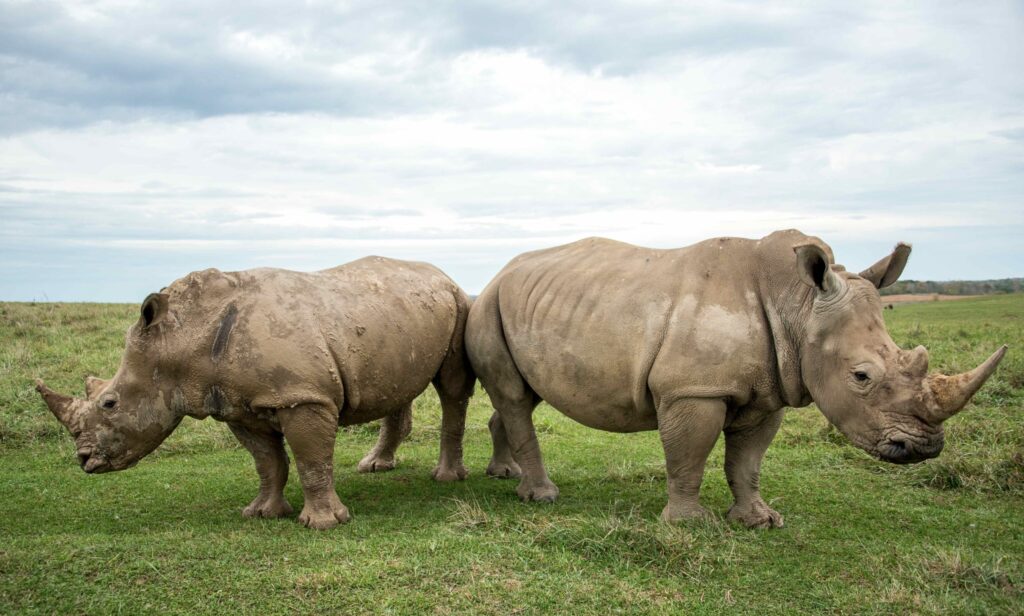
Mkomazi serves as a crucial sanctuary for two highly endangered species: the captivating black rhino and the sociable African wild dog, both successfully reintroduced in the 1990s. While the nomadic wild dog may be spotted almost anywhere in the park, the black rhino are confined to a fenced sanctuary, ensuring their protection for the enjoyment and prosperity of future generations.
Home to several dry-country specialists rare elsewhere in Tanzania, Mkomazi boasts the striking fringe-eared oryx with its sweeping back horns, and the handsome spiral-horned lesser kudu. Most peculiar of all is the gerenuk, a gazelle recognized by its slender neck, peculiar alien-like head, and the habit of standing tall on its hind legs to reach acacia leaves beyond the reach of other browsers.
Established as a game reserve in 1951, this newly designated National Park derives its name from a term from the Pare tribe, meaning “scoop of water,” referring to the scarcity of water. It offers an exceptional destination for birdwatchers, with over 450 avian species recorded, including dry-country endemics like the cobalt-chested vulturine guinea-fowl, as well as other large ground birds such as ostriches, kori bustards, secretary birds, ground hornbills, and migratory species like the Eurasian roller.
Location: Mkomazi is situated in northern Tanzania, spanning Kilimanjaro and Tanga administrative regions. It shares its western border with Kenya’s Tsavo National Park. The Zange entrance gate is located 112 km (69 miles) from Moshi, 550 km (341 miles) from Mwalimu J. K. Nyerere International Airport in Dar es Salaam, 142 km (88.7 miles) from Kilimanjaro International Airport, 120 km (75 miles) from Kilimanjaro National Park, and 6 km (3.7 miles) from the