Serengeti National Park
Serengeti National Park
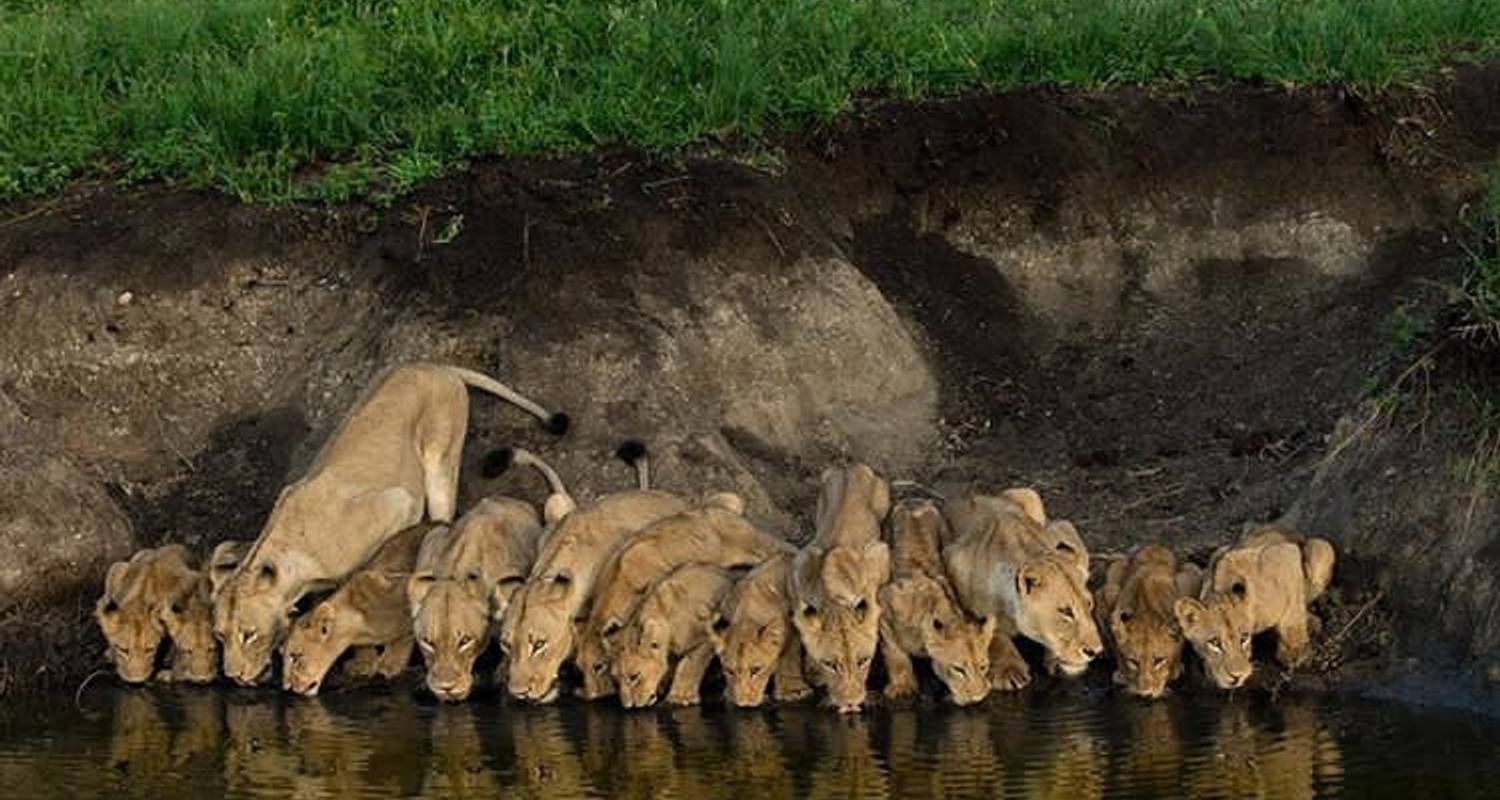
The Serengeti National Park in Tanzania, established in 1952, hosts the world’s most spectacular wildlife event—the great migration of wildebeest and zebra. The park also boasts an impressive resident population of lions, cheetahs, elephants, giraffes, and birds. Accommodations range from luxury lodges to mobile camps. Covering 5,700 square miles (14,763 square kilometers), the park is larger than Connecticut, with only a few hundred vehicles traversing it.
The park is divided into three sections. The popular southern and central part, known as the Seronera Valley, was called “serengit” by the Maasai, meaning the land of endless plains. This area features classic savannah landscapes, acacia trees, and abundant wildlife. The western corridor, marked by the Grumeti River, has more forests and dense bush. The northern Lobo area, which borders Kenya’s Masai Mara Reserve, is the least visited section.
Within the 30,000 km² region, two World Heritage Sites and two Biosphere Reserves have been established. This unique ecosystem has inspired writers like Ernest Hemingway and Peter Matthiessen, filmmakers such as Hugo von Lawick and Alan Root, and numerous photographers and scientists, many of whom have contributed their work to this website.
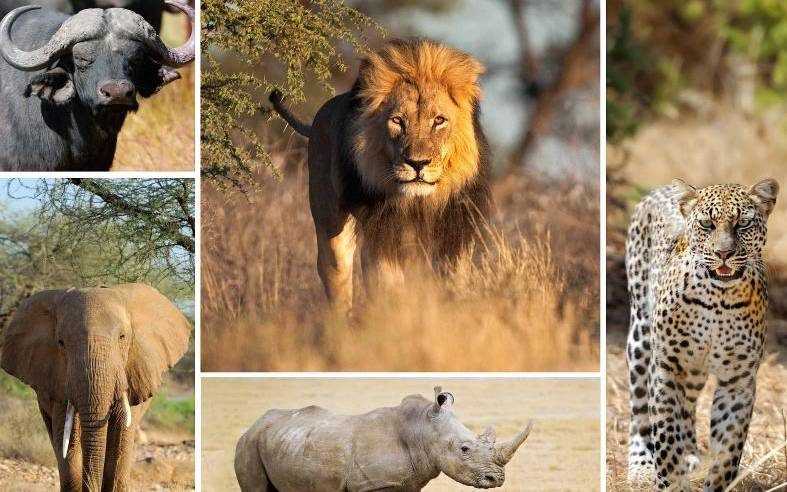
Home of Big 5
The Serengeti ecosystem is one of the oldest on Earth. The essential aspects of its climate, vegetation, and fauna have remained largely unchanged for the past million years. Early humans appeared in Olduvai Gorge around two million years ago, and the cycles of life, death, adaptation, and migration are as ancient as the hills themselves.
The Serengeti is perhaps most renowned for its migration. Every October and November, over a million wildebeest and approximately 200,000 zebras migrate south from the northern hills to the southern plains for the short rains. After the long rains in April, May, and June, they move west and north. This ancient instinct to migrate is so powerful that no drought, gorge, or crocodile-infested river can deter them.