
When is the Best Time to Climb?
Mt. Kilimanjaro Weather – When is the Best Time to Climb?
Weather conditions play a crucial role in the success and enjoyment of a Kilimanjaro climb. Here are some key points to consider:
Impact on Climbing: Bad weather can significantly increase the difficulty of the climb, making it more challenging to navigate and increasing the risk of accidents.
Likelihood of Summit: Good weather increases the likelihood of reaching the summit as it provides better visibility, safer conditions, and improves overall morale.
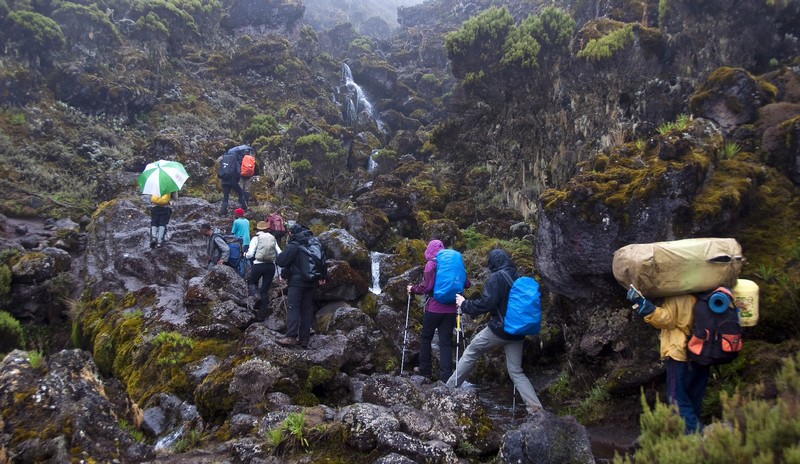
Seasonal Variations: Kilimanjaro experiences two main seasons: the dry season and the wet season. Climbing during the wet season can result in muddy and slippery trails, reduced visibility, and discomfort from rain and fog.
Equatorial Location: Being near the equator, Kilimanjaro does not experience traditional summer and winter seasons. Instead, it has dry and rainy periods, with variations in temperature and precipitation throughout the year.
Preparation: Climbers should be prepared for changing weather conditions by packing appropriate clothing and gear, including waterproof layers, insulated jackets, and sturdy hiking boots.
Ultimately, choosing the right time to climb Kilimanjaro involves balancing weather considerations with personal preferences and scheduling constraints. Working with experienced guides and operators can help ensure a safe and successful climb regardless of the weather conditions.
Understanding the weather patterns on Kilimanjaro is essential for planning a successful climb. Here’s an overview of the weather conditions throughout the year:
Dry Season (June-October, December-March):
- This period generally offers the best weather for climbing Kilimanjaro.
- Clear skies, minimal rainfall, and relatively stable temperatures make for ideal climbing conditions.
- June to October is the busiest time on the mountain, especially during the summer holiday season.
- December to March is also a popular time, with slightly warmer temperatures and fewer crowds compared to the mid-year dry season.
Wet Season (April-May, November):
- These months typically experience higher precipitation levels, with April and May being the wettest.
- Rainfall can lead to muddy and slippery trails, reduced visibility, and colder conditions.
- Climbing during the wet season is less popular due to the challenging conditions, but it can offer quieter trails and lush vegetation.
Temperature Variations:
- Kilimanjaro experiences a wide range of temperatures, from hot and humid conditions at the base to freezing temperatures at the summit.
- Temperatures decrease with altitude, with sub-zero temperatures common at higher elevations, especially during the night.
- Proper layering and insulation are essential to stay warm and comfortable throughout the climb.
Crowd Levels:
- Dry season months, especially June to October, tend to be the busiest times on Kilimanjaro, with higher numbers of climbers and tour groups.
- Climbing during the wet season or shoulder months (November, April-May) can result in fewer crowds and a more solitary trekking experience.
Considering these factors, climbers should carefully weigh their preferences, fitness level, and tolerance for challenging weather conditions when choosing the best time to climb Kilimanjaro. Additionally, consulting with experienced guides or tour operators can provide valuable insights and assistance in planning a successful summit attempt.
The Weather on Kilimanjaro – When to Go?
Here’s a breakdown of the weather and climbing conditions on Kilimanjaro throughout the year:
April – June (Main Rainy Season):
- The warmest time of the year, but also the wettest.
- Many operators do not offer climbs during April and May due to heavy rainfall.
June – August:
- Rain gradually decreases, and temperatures begin to cool.
- Nights become bitterly cold.
- Climbing conditions improve, with fewer rainy days but increased numbers of climbers.
August – October:
- Peak climbing season on Kilimanjaro.
- Generally good weather with clear days and warmer temperatures.
- Rain may still occur in the forest/moorland zone.
- Conditions remain favorable until mid-October when the short rains begin.
October/November:
- Weather becomes more unstable, and the number of climbers decreases.
- Afternoon clouds and occasional thunderstorms may occur.
- Equipping for occasional showers is advisable.
November/December:
- Small rainy season, with rainfall lasting into mid-December.
- Temperatures drop, and hazards associated with rain increase.
- Not the best time for climbing due to the wet conditions.
December/January:
- Second peak climbing season, but still a chance of rainfall and thick clouds.
- High traffic despite less favorable weather conditions.
January-March:
- Good time to climb Kilimanjaro, with reasonable weather conditions.
- Days are mainly dry with clear skies and occasional brief showers.
- Fewer climbers compared to peak seasons.
Considering these seasonal variations, climbers should choose their preferred climbing time based on factors such as weather preferences, tolerance for rain and cold, and crowd levels. Additionally, consulting with experienced guides or tour operators can help in planning a successful climb.
Choosing the right time and route for your Kilimanjaro climb can significantly impact your experience. Here are some additional points to consider:
Route Selection:
- The Rongai Route on the northern side of the mountain is drier compared to other routes, making it a suitable choice during the rainy season or for those who prefer drier conditions.
- Routes like Rongai, Shira, and Lemosho typically have less traffic compared to the more popular Machame and Marangu routes, offering a quieter and less crowded experience.
Temperature Variations:
- Temperatures on Kilimanjaro can vary greatly between day and night, especially at higher altitudes.
- While daytime temperatures may be warm, nights can be freezing, particularly above 4000 meters (13000 ft).
- Summit night temperatures can drop as low as -20°C (-5F), with wind chill making it feel even colder, potentially reaching -40°C (-40F).
Preparation:
- It’s essential to prepare for the possibility of extreme cold by bringing appropriate clothing and gear, including warm layers, hats, gloves, and insulated sleeping bags.
- Prepare for the worst-case scenario in terms of weather conditions to ensure you’re adequately equipped for the climb.
By carefully considering these factors and adequately preparing for the conditions you may encounter, you can enhance your chances of having a successful and enjoyable Kilimanjaro climb.