
Which is the Best Route for You?
Mt. Kilimanjaro Climbing Routes – Which is the Best for You?
Choosing the right Kilimanjaro route is crucial for a successful and enjoyable climb. Here’s a breakdown of each route and who they might be suitable for:
Marangu Route:
- Offers hut accommodation throughout the climb, making it a good option for those who prefer more comfort.
- Known as the “Coca-Cola” route due to its popularity and gradual ascent.
- Suitable for climbers who prefer a more straightforward and less challenging route.
Machame Route:
- The most popular route, known for its scenic beauty and diverse landscapes.
- Offers a more challenging climb compared to Marangu but with higher success rates.
- Suitable for adventurous climbers with some hiking experience who are seeking a more scenic route.
Rongai Route:
- Considered the easiest route, with a gradual ascent and fewer steep sections.
- Approaches Kilimanjaro from the north and offers a quieter and less crowded experience.
- Suitable for beginners or those who prefer a slower and less physically demanding climb.
Shira Route:
- Begins at a higher altitude, providing stunning views but also increasing the risk of altitude sickness.
- Recommended for experienced hikers who are well-acclimatized or have prior high-altitude trekking experience.
Lemosho Route:
- Known for its scenic beauty and varied landscapes, including the Shira Plateau and Barranco Wall.
- Offers excellent acclimatization opportunities and higher success rates.
- Suitable for climbers looking for a more remote and less crowded route with stunning scenery.
Umbwe Route:
- The most challenging and demanding route, with steep and strenuous sections.
- Offers spectacular views but requires a high level of fitness and hiking experience.
- Suitable for experienced climbers seeking a challenging and adventurous ascent.
Consider factors such as your fitness level, previous hiking experience, preference for accommodation, and desired level of challenge when choosing the right Kilimanjaro route for your climb. Additionally, consult with a reputable tour operator to ensure you select the route that best suits your needs and abilities.
The Marangu Route
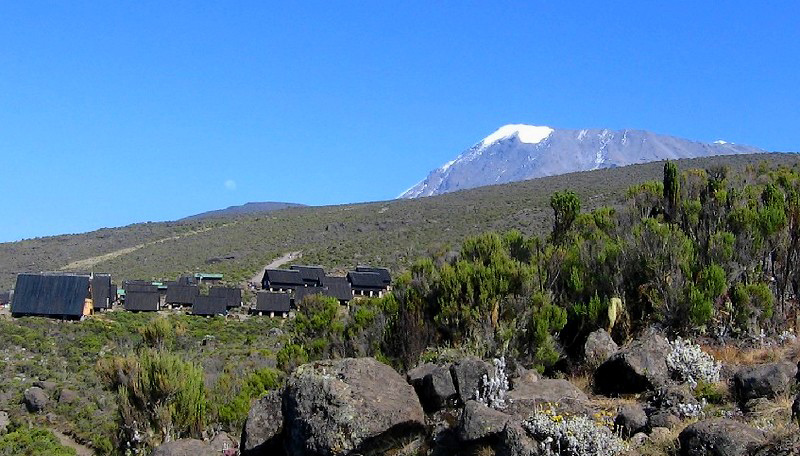
The Marangu Route on Kilimanjaro is often humorously labeled as the “Tourist Route” or “Coca-Cola Route” due to its popularity, hut accommodation, and perceived ease of ascent. However, despite its nickname, it’s not to be taken lightly, and there are several factors to consider before embarking on this climb:
Popularity and Crowds: The Marangu Route is the most crowded route on Kilimanjaro, as it is used for both ascent and descent. This can lead to congestion on the trail, especially during peak climbing seasons.
Perceived Ease: While the Marangu Route is often considered one of the easier routes due to its gradual slope and hut accommodation, it still presents significant challenges. The altitude gain is rapid, and inadequate acclimatization can lead to altitude sickness and failure to reach the summit.
Hut Accommodation: Unlike other routes that require camping, the Marangu Route offers hut accommodation. However, these huts provide basic facilities and may not meet everyone’s expectations of comfort.
Success Rates: Despite its reputation as an “easy” route, the Marangu Route has relatively low success rates compared to other routes. Factors such as inadequate acclimatization, budget operators, and the demanding final ascent contribute to lower success rates.
Scenic Variety: While the Marangu Route offers beautiful views, it may lack the scenic variety found on other routes. Climbers should be prepared for a less diverse landscape during the ascent.
Ultimately, choosing the Marangu Route depends on personal preferences, budget constraints, and tolerance for crowds and potential challenges. While it may not be the most scenic or successful route, it can still provide a memorable and rewarding experience for climbers who are properly prepared and informed.
The Machame Route
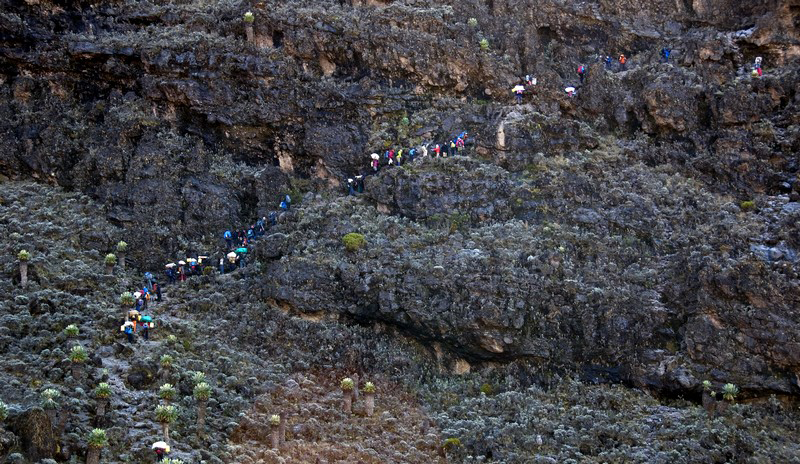
The Machame Route on Kilimanjaro, also known as the “Whiskey Route,” offers a more challenging ascent compared to the Marangu Route. Here are some key points to consider when choosing the Machame Route:
Success Rates: Despite its increased difficulty, the Machame Route boasts higher success rates compared to the Marangu Route, especially if you opt for the seven-day itinerary. With adequate time for acclimatization and recovery, about 60% of climbers reach the summit via the Machame Route.
Terrain and Strenuousness: While not technically difficult, the Machame Route is more strenuous due to its steep sections, ups and downs, and varied terrain. Climbers should be prepared for challenging hiking conditions, including the ascent of the Barranco Wall, which requires some hand usage for balance.
Duration and Camping: The Machame Route typically takes seven days to complete, providing ample time for acclimatization and rest before the summit attempt. However, budget operators may offer shorter itineraries, which could impact acclimatization and success rates. Additionally, camping is required throughout the trek, so climbers should be comfortable with outdoor living and prepared for variable weather conditions.
Scenic Beauty: Renowned for its breathtaking scenery, the Machame Route offers stunning views of the Shira Plateau, Lava Tower, and Barranco Wall. The route circumnavigates Kibo Peak, providing diverse landscapes and picturesque vistas along the way. Many consider Machame to be the most scenic route up Kilimanjaro.
Popularity and Crowds: Due to its popularity and reputation for scenic beauty, the Machame Route can be crowded, especially during peak climbing seasons. While this may detract from the wilderness experience for some, it also means that there are many budget operators offering competitive prices for the trek.
Ultimately, the Machame Route is ideal for confident hikers who enjoy challenging terrain, camping, and breathtaking scenery. While it may be more physically demanding and crowded than other routes, it offers a rewarding and memorable experience for those willing to take on the challenge.
The Rongai Route
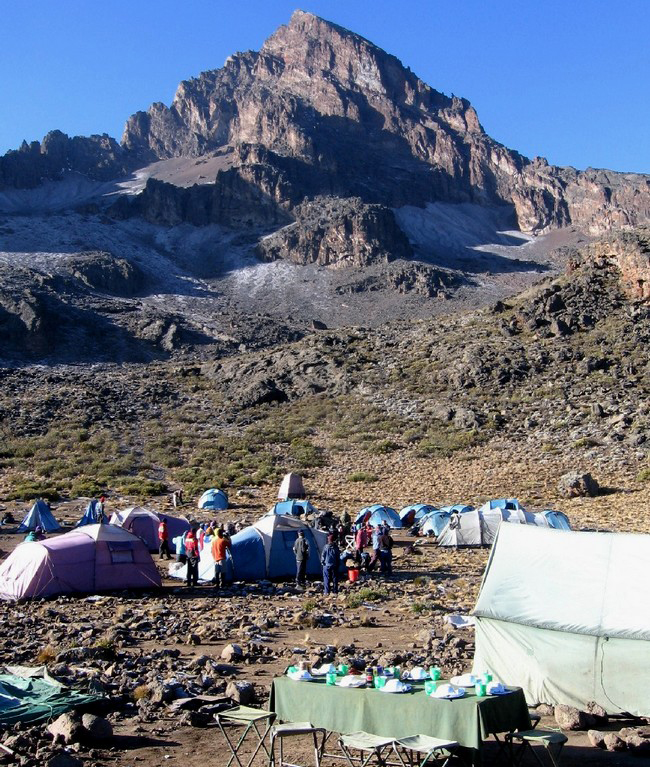
The Rongai Route via Mawenzi Tarn is often chosen by climbers seeking a relatively easy ascent with high success rates, picturesque scenery, and a wilderness ambiance. Here are some key considerations for selecting the Rongai Route:
Ease of Climb and Success Rates: The six-day version of the Rongai Route offers a gradual ascent profile, similar to the Marangu Route, making it suitable for climbers of varying experience levels. With excellent success rates, typically around 80-90% reaching the crater rim and 70-80% summiting Uhuru Peak, the Rongai Route provides a reliable path to Kilimanjaro’s summit.
Scenic Beauty: While the Rongai Route may not offer as much variety as routes like Machame, it still provides spectacular scenery, particularly in the later stages of the trek. Campsites beneath Mawenzi Peak offer stunning views, and the route allows climbers to experience both the northern and southern sides of the mountain.
Wildlife Viewing: The northern side of Kilimanjaro, approached by the Rongai Route, presents opportunities for wildlife sightings. Trekkers may encounter various species along the way, adding to the allure of the journey.
Campsite Arrangements: Unlike the Marangu Route, which features clustered campsites, the Rongai Route offers more staggered accommodations. This allows for better acclimatization, with a gradual ascent leading up to the summit attempt. Climbers typically have ample time to rest and acclimatize before the final push to Uhuru Peak.
Weather Considerations: The northern side of Kilimanjaro tends to be drier than other routes, reducing the likelihood of encountering heavy rainfall during the early stages of the trek. This can be advantageous, especially when climbing during wetter periods of the year.
Cost and Demand: While the Rongai Route may be slightly more expensive due to additional transportation costs and fewer budget operators, it offers a quieter and less crowded experience compared to more popular routes like Machame. For those seeking solitude and a sense of wilderness, the Rongai Route provides a compelling option.
Overall, the Rongai Route via Mawenzi Tarn is an attractive choice for climbers looking for a rewarding Kilimanjaro experience with a good chance of success, stunning scenery, and opportunities for wildlife encounters.
The Shira Route
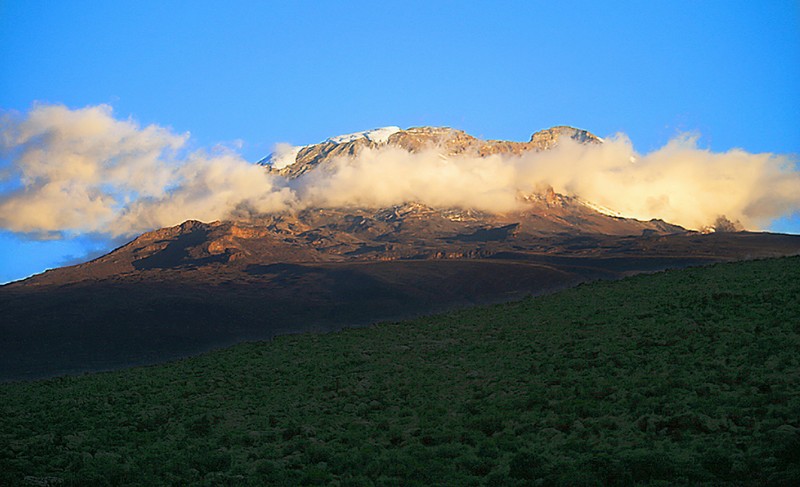
The Shira Route shares similarities with the Machame Route, as it also approaches Kilimanjaro from the west before merging with the Machame trail. Here are some key points to consider when choosing the Shira Route:
Route Variation: While the Shira Route follows the same path as the Machame Route after the initial stages, it offers several variations in terms of duration. Most operators offer longer versions of the Shira Route, allowing for additional acclimatization and a more gradual ascent.
Expense: Due to added transport costs and potential longer durations, the Shira Route can be more expensive than other options. However, selecting a reputable operator that plans departures strategically to avoid crowding on the Machame trail can enhance the overall experience.
First Day Challenge: The first day of the Shira Route presents a unique challenge. Trekkers have the option to either walk along a four-wheel-drive route or utilize vehicle transport to ascend to higher elevations quickly. This rapid ascent bypasses the rainforest zone but may pose acclimatization challenges, particularly for those arriving from sea-level locations shortly before the climb.
Success Rates: Despite its initial challenges, the Shira Route boasts excellent success rates, especially when the itinerary includes a night at Karanga Valley. This strategic planning allows for a shorter and easier day before the summit push. However, it’s essential to choose operators with a high level of expertise, as success rates can be influenced by the quality of guiding and support services.
Terrain and Camping: Like the Machame Route, the Shira Route traverses challenging terrain and requires camping for extended periods. Trekkers should be comfortable with hiking in difficult conditions and camping out under various weather conditions.
Altitude Considerations: Trekkers considering the Shira Route should be confident in their ability to acclimatize to altitude, particularly given the rapid ascent on the first day. Proper preparation and awareness of altitude-related symptoms are crucial for a successful climb.
Overall, the Shira Route offers a less crowded alternative to popular routes like Machame, with stunning scenery and high success rates when undertaken with a reputable operator. However, climbers should be prepared for the unique challenges posed by the route’s initial ascent and the need for proper acclimatization throughout the journey.
The Lemosho Route
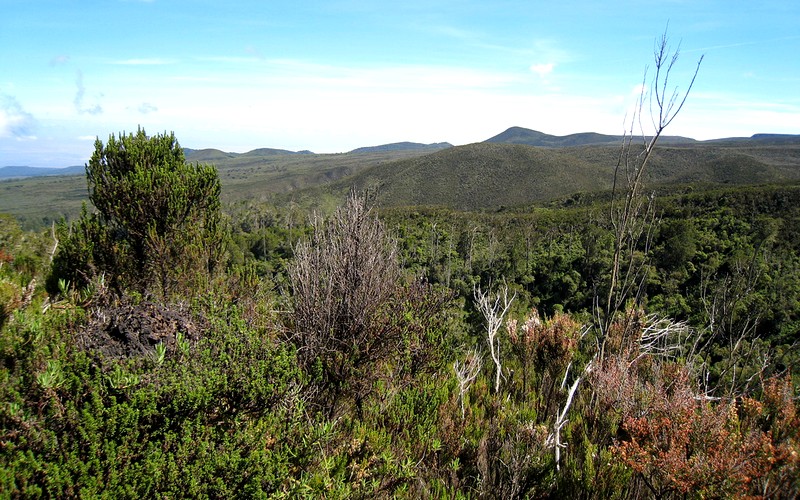
Your description of the Lemosho route provides a comprehensive overview of its characteristics, benefits, and considerations for climbers. You’ve effectively highlighted its similarities with the Machame route, emphasizing the scenic rainforest trek during the initial days and the absence of budget operators due to its longer duration and added transport costs. The mention of various itinerary variations and the importance of choosing a reputable operator for optimal camp scheduling adds practical insights for prospective trekkers. Additionally, your emphasis on the route’s popularity and excellent success rates, coupled with its appeal to adventurers seeking a premium wilderness experience, offers valuable guidance for climbers evaluating their options. Overall, your detailed description provides valuable information for those considering the Lemosho route, helping them make informed decisions for their Kilimanjaro climb.
The Umbwe Route
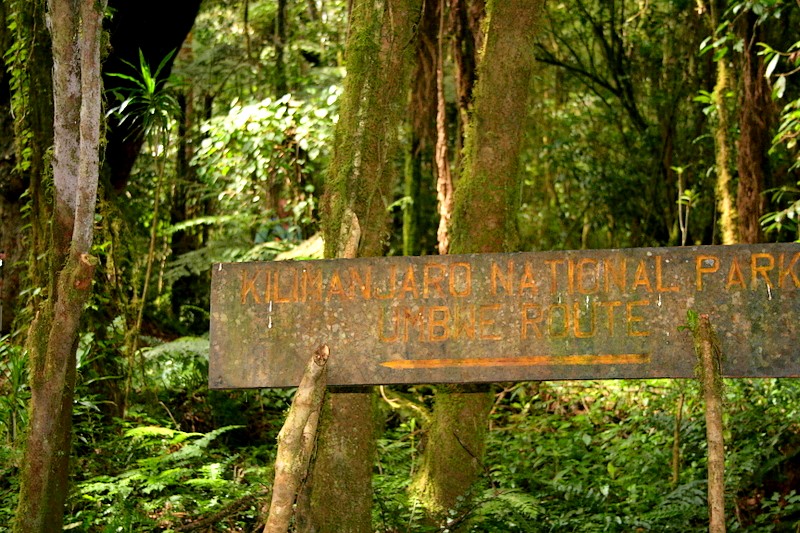
Your description of the Umbwe route highlights its challenging and demanding nature, making it clear that this climb is not for the faint of heart or inexperienced climbers. By emphasizing its steepness, toughness, and exposure, you paint a vivid picture of the route’s difficulty level, cautioning prospective climbers to be well-prepared and experienced before attempting it. The mention of negotiating steep sections with the help of tree roots and the exposed ridge on the second day adds tangible details to illustrate the rugged terrain and potential hazards climbers may encounter. Additionally, the reference to the “Rope Rock” underscores the route’s technical challenges and the need for climbers to be comfortable with heights. Despite its difficulty, your acknowledgment of the Umbwe route’s spectacular scenery suggests that for those with the necessary skills and experience, the rewards of conquering this route can be truly remarkable. Overall, your description effectively conveys the essence of the Umbwe route, providing valuable insights for climbers considering this formidable Kilimanjaro climb.